

It may be completed with a scalpel, laser resurfacing, dermabrasion, or via cryosurgery. Alcohol addiction can lead to a number of side effects, which may include affecting rosacea. With time, alcohol abuse can worsen rosacea and contribute to the development of rhinophyma (alcoholic nose).

Treatments for rhinophyma or “alcoholic nose”
“Alcoholic nose” is a slang term that is used to describe a red, bumpy, and swollen nose that is thought to be caused by a large amount of drinking. It is believed that this skin condition is only affected by those who have an alcohol use disorder (AUD). Alcohol use disorder is a medical condition that is defined by the unmanageable use of alcohol despite negative circumstances. Early-stage rhinophyma symptoms are consistent with rosacea and may include facial flushing or redness. As the condition progresses, symptoms like an enlarged nasal tip (bulbous nose), disfigurement, and a bumpy or ridged facial texture may occur. The treatment for alcoholic nose typically involves reducing or eliminating alcohol consumption.
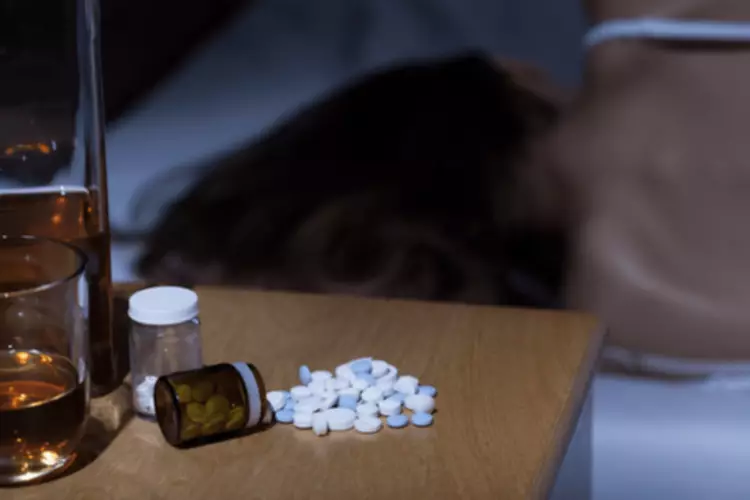
Causes and Symptoms
- However, alcohol may be more likely than those factors to cause outbreaks, with some patients experiencing outbreaks caused by just one alcoholic drink.
- The study surveyed a range of people with the skin condition and revealed that rhinophyma is found in just as many individuals who do not drink as in those who do drink.
- It is highly possible for others to achieve these types of results, however, it is important to remember that early intervention is key as well as adhering to a given treatment plan.
- While the primary symptom is the noticeable enlargement and redness of the nose, some individuals may also experience tenderness, oiliness, and visible blood vessels on the nose.
- Common treatment options include medication, behavioral therapies, and 12-step support groups.
This chemical makes the alcoholic blue nose blood vessels open more than other alcoholic drinks, resulting in abnormally high blood flow. Thus, the surface of the drinker’s skin will appear red and irritated. As such, drinkers with rosacea should avoid red wine if they want to keep flare-ups to a minimum. While it is now clear that alcoholism doesn’t cause rhinophyma, excessive drinking is believed to aggravate the condition. With the blood vessels open and allowing greater blood flow, patients can appear flushed in the face, neck, and shoulders.

What is rhinophyma caused by?
At the same time, the nose will likely become redder, bumpy, and completely different in shape. Alcoholic nose, also known as alcoholic rosacea, is a condition that affects the skin on the nose and face of individuals who consume excessive amounts of alcohol. Later, the nasal skin grows and the tip of the nose becomes larger.
- Research suggests that certain genetic markers may make individuals more susceptible to the inflammatory responses that characterize rosacea and rhinophyma.
- Through proper diagnosis and prescription, you can clear your skin and nose from unwanted large bumps, rosacea flare attacks, dry skin, and a “purple nose,” among other things.
- This is because alcohol is what is known as a vasodilator, which means it causes blood vessels to expand and blood to flow to the surface of the skin.
- However, there is a lot of urban legend surrounding alcoholics’ noses.
- Severe cases of rhinophyma can see an individual develop an extremely bulbous nose, so much that it appears to be quite disfigured.
Opioid Detox Centers in Colorado
Just because they drug addiction have swelling and discoloration around the nose does not mean they are an alcoholic. This stigma has caused many people to feel uncomfortable and ostracized from society. The issue is that rhinophyma has absolutely nothing to do with alcoholism. Rosacea is a separate disease and disorder from alcoholism and has no connecting cause. Someone with alcoholism does not necessarily need to have rosacea to be an alcoholic. To find another treatment program, browse the top-rated addiction treatment facilities in each state by visiting our homepage, or by viewing the SAMHSA Treatment Services Locator.