
The allure of gambling and its mental triggers
Gambling has long fascinated individuals across cultures, tapping into deep-rooted psychological triggers that entice them to participate. The thrill of risk and the potential for significant rewards create an intoxicating mix that captivates the mind. For many, the experience offers a form of escapism, allowing them to immerse themselves in an environment where their ordinary worries temporarily dissipate. This allure is compounded by the social aspects of gambling, where camaraderie and shared experiences amplify the excitement, creating an environment that feels both exhilarating and welcoming. Additionally, platforms such as 1win provide a modern twist on traditional gaming, enhancing the overall appeal of this popular pastime.
One key psychological trigger is the anticipation of winning. The brain releases dopamine, a neurotransmitter associated with pleasure, when individuals consider the possibilities of success. This rush can be addictive, fueling further participation. The excitement grows as players encounter sequences of wins and losses, reinforcing their belief that a significant victory is just around the corner. This phenomenon creates a cycle that makes it difficult for individuals to disengage, even when logic suggests they should stop. The concept of “near misses,” where players come close to winning, intensifies this allure, as it fosters a false sense of hope and encourages continued play.
The surroundings of gambling environments also contribute to their appeal. Bright lights, vibrant colors, and the sounds of coins clinking or cards shuffling engage the senses, creating an atmosphere charged with excitement. This sensory overload can heighten emotions and influence decision-making, often leading players to gamble more than they initially intended. The design of these environments is meticulously crafted to maximize engagement and prolong the gambling experience, ensuring that players remain immersed in the thrill of the moment. Overall, understanding these psychological triggers provides insight into why gambling remains an enduring activity for many, despite the inherent risks involved.
The role of cognitive biases in gambling behavior
Cognitive biases play a significant role in shaping gambling behavior, often leading players to make irrational decisions. One prevalent bias is the illusion of control, where individuals believe they can influence the outcome of games that are fundamentally random, such as slot machines or roulette. This false perception can lead to overconfidence, causing players to invest more time and money into these games than they should, driven by the belief that their skill or choices can alter fate. Such biases are not just personal; they are reflected in the strategies players adopt, often ignoring the mathematical reality of their chances.
Additionally, gamblers often succumb to confirmation bias, where they focus on information that reinforces their existing beliefs while disregarding contradictory evidence. For instance, a player who wins a jackpot may attribute that success to their strategy, neglecting the countless losses that preceded it. This selective memory can perpetuate a cycle of gambling, as the individual continues to chase what they perceive as a successful method, despite the randomness of the outcomes. By reinforcing their beliefs, players become trapped in their cognitive patterns, making it increasingly challenging to break free from the cycle of gambling.
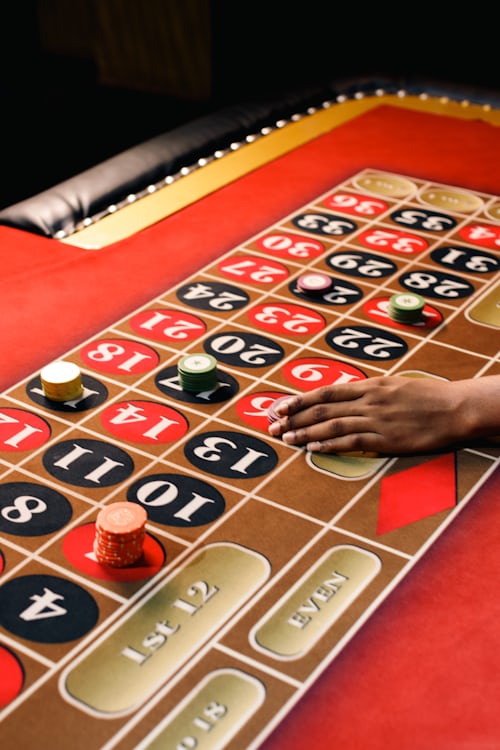
Furthermore, the gambler’s fallacy, the belief that past random events influence future outcomes, can misguide participants. If someone witnesses a series of losses, they may wrongly assume that a win is overdue, leading them to gamble more intensely. This fallacy can be particularly dangerous, as it causes players to ignore the underlying probabilities of their choices, often leading to significant financial losses. Understanding these cognitive biases is crucial for both players and professionals in the gambling industry, as they highlight the psychological mechanisms that can impact decision-making profoundly and create a false narrative around their gambling experiences.
The impact of emotions on gambling decisions
Emotions significantly influence gambling decisions, often dictating behavior more than rational thought. When individuals gamble, their feelings can fluctuate wildly, swinging from hope and excitement to disappointment and frustration. Such emotional volatility can lead to impulsive behavior, particularly after a loss. Players may feel compelled to chase their losses, thinking that a big win will restore their previous financial standing, which can spiral into a cycle of increased gambling. This emotional rollercoaster can cloud judgment, making it harder for players to make sound decisions.
Additionally, successful players often learn to manage their emotions effectively, allowing them to make more calculated decisions. Emotional control can help individuals recognize when to walk away, a vital skill in a setting designed to create a sense of urgency and excitement. For instance, players who remain calm and collected during a game can assess their strategies and opponents more objectively, leading to better outcomes than those who act on impulse driven by heightened emotions. This emotional intelligence becomes a crucial tool for those looking to extend their play without succumbing to the pitfalls of gambling addiction.
Finally, the social environment can amplify emotional responses, affecting gambling decisions. For example, playing with friends can create a lively atmosphere where excitement is contagious. However, this can also lead to collective irrationality, where players encourage each other to gamble beyond their means. The dynamic of group play can sometimes push individuals to take risks they wouldn’t normally consider alone, as the thrill of shared experiences can overshadow personal caution. Understanding the emotional dynamics at play in gambling scenarios can help individuals make more informed choices and potentially avoid the pitfalls associated with emotional decision-making.
Strategies for responsible gambling
Responsible gambling is about striking a balance between enjoyment and risk. It’s essential for individuals to set clear limits before engaging in gambling activities, including budgets for spending and time commitments. By establishing these parameters, players can safeguard themselves from the natural impulse to gamble more following emotional highs or lows. For instance, setting a timer or budget can help maintain perspective and avoid spiraling into a cycle of chasing losses, a behavior that often leads to regret and financial strain.

Educating oneself about the odds and mechanics of various games can also contribute to responsible gambling. Understanding the likelihood of winning or losing can foster realistic expectations, helping players make informed decisions. When individuals recognize that most games favor the house, they are less likely to feel disappointed after a loss and can enjoy the experience for its entertainment value rather than as a means of financial gain. This knowledge empowers players to approach gambling with a healthier mindset, viewing it as a leisure activity rather than a potential source of income.
Furthermore, the importance of self-awareness cannot be overstated. Gamblers should regularly assess their motivations for playing and their emotional responses during gambling sessions. Being mindful of potential triggers, such as stress or social pressure, can empower individuals to make healthier choices. Support systems, whether through friends, family, or professional help, can enhance accountability and provide guidance when gambling activities begin to feel overwhelming. Developing a personal gambling strategy can also help in maintaining control and ensuring that gambling remains a fun and enjoyable pastime.
The importance of awareness resources and community support
In today’s gambling landscape, resources for awareness and community support play an essential role in promoting responsible gambling. Various organizations and platforms provide educational content about the risks of gambling, offering insights into how to maintain control and awareness. These resources often include guides on recognizing problem gambling signs and tips for seeking help if needed. Armed with this knowledge, individuals can make informed decisions and encourage others to do the same, fostering a culture of responsibility and awareness within the gambling community.
Community support groups are another key element in fostering a responsible gambling culture. Many people struggle with gambling issues in silence, but connecting with others who share similar experiences can be incredibly beneficial. Support groups offer a safe space for individuals to discuss their experiences, share coping strategies, and hold each other accountable. This sense of community can greatly enhance a person’s ability to remain in control and reduce the likelihood of gambling-related problems. The power of shared experiences can create a supportive network that promotes healthy gambling habits.
Actively engaging with these resources can empower individuals to approach gambling as a recreational activity rather than a means of financial salvation. The focus on awareness and support underscores the importance of mindfulness and informed decision-making, leading to healthier gambling practices for everyone involved. By prioritizing community and education, the gambling industry can contribute to positive behavioral change and improve the overall experience for players. Awareness resources can also help demystify the gambling process, making it more approachable and less intimidating for new players.