
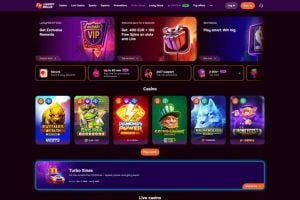
Casino lobbies can feel overwhelming when slots, live tables, game shows and fast-paced titles appear together. A more useful approach is to compare games by how they work, how quickly rounds unfold and what kind of interaction they require. The casino lucky hills lobby provides a practical example because it separates several game categories and includes provider and game-status labels. This guide explains how Canadian adults can browse those categories thoughtfully without treating popularity, presentation or short-term results as proof of quality.
Start by matching the game type to your preferred pace
Video slots are usually the simplest place to begin if you want self-contained rounds and minimal decision-making. Classic-style slots may use familiar symbols and straightforward layouts, while newer video slots can add bonus rounds, expanding features, cluster pays or multiple ways to win. Jackpot-labelled games form another group, but the label alone does not explain how prizes work. Read the individual game rules before assuming that a jackpot is progressive, shared or readily attainable.
Live casino games suit players who prefer a streamed dealer, a visible table and decisions that resemble a traditional casino. Roulette and blackjack are the most recognisable examples, while game-show formats add presentation, hosts and special mechanics. They are not interchangeable experiences: roulette generally centres on selecting an outcome, whereas blackjack involves decisions during a hand. A short demonstration can show the interface, but it cannot establish future results or guarantee a particular return.
Fast-paced and crash-style games appeal to people who want brief rounds and frequent choices. Their speed can be engaging, but it can also make sessions feel more intense than a slower slot or table game. Sports and esports are separate areas rather than casino game categories, so they should be assessed using different questions about markets, event timing and rules. Keeping these sections distinct makes the lobby easier to navigate and reduces impulsive switching between unrelated forms of play.
How can the lobby help you narrow a large library?
Use the provider directory when you already know the studio or style you want to investigate. The listed suppliers include names such as Pragmatic Play, Playson, Evolution-associated live content, Yggdrasil Gaming, Nolimit City, Thunderkick and many others. A provider search is more efficient than scrolling through every title, particularly when you want to compare several games from one studio. It is still important to confirm that a specific title is available in your location, since supplier libraries can vary by country.
Lobby badges can provide useful navigation clues. Labels for recently added, popular and jackpot games help identify broad groupings, while bonus-related badges show whether a title is eligible for bonus play or contributes towards bonus wagering. These labels are sorting aids, not independent assessments of fairness, entertainment value or suitability. A popular title may simply be visible to more people, and a newly added title has not necessarily been tested by a broad audience.
Search results should lead to the game’s own information rather than replace it. Open the rules to check the winning combinations, special symbols, round structure and any conditions attached to features. If you are comparing slots, note whether the experience depends on many small features or occasional larger events. If you are comparing tables, examine the available bet options and decision points. Taking a few notes can prevent the lobby’s visual design from becoming the main influence on your choice.

Compare slots by mechanics, not just appearance
Two slots can look similar while offering very different experiences. Reel layout, paylines or ways to win, bonus triggers and special symbols all affect how a game behaves. Some titles focus on frequent small events, while others place more emphasis on less frequent feature rounds. These descriptions are not promises about results. They simply help you understand what the game is designed to do during an individual round.
When assessing a slot, read the paytable and rules before selecting a stake. Look for explanations of wilds, scatters, free spins, multipliers and any feature-buying option. A title may also identify a theoretical return percentage or volatility measure, but those figures describe long-run mathematical expectations rather than what will happen in a short session. Neither a recent winning sequence nor a period without wins proves that a game is due to change.
Bonus eligibility adds another comparison layer when promotional funds are involved. The game lobby may distinguish titles that accept bonus play from those that contribute to wagering requirements. Those categories are not necessarily the same. A game can accept bonus funds without making a qualifying contribution, or it may require cash funds only. Check the current bonus terms and the game’s own rules together, especially where maximum bets, expiry periods or feature purchases could affect eligibility.
When does a live table or game show make more sense?
Live tables are worth considering when the social and visual aspects matter as much as the underlying game. A dealer-led roulette table can feel slower and more transparent than a rapid digital interface, while live blackjack invites decisions about drawing, standing or doubling according to the rules shown. Table limits, seat availability and round timing can vary, so the most attractive presentation is not necessarily the most practical choice for every session.
Game shows occupy a middle ground between casino tables and television-style entertainment. They may include a host, a central wheel or other event-based mechanics, with the outcome determined by the game’s rules rather than by player skill. Read the information panel carefully because similar-looking shows can differ in side bets, bonus features and payout conditions. A lively presentation should not distract from checking the available wager options and how a result is settled.
Timing is a major trade-off. Live games may require you to join an active round or wait for the next one, whereas standard digital games are generally available on demand. Faster formats can offer more frequent decisions but may make it harder to pause naturally. If you prefer deliberate play, choose a table or show with a pace you can comfortably follow. Canada-wide availability should not be assumed; location restrictions and individual game availability can apply.
Use a simple process before trying unfamiliar titles
Begin with a narrow question: do you want low-interaction spins, strategic table decisions, a hosted experience or very short rounds? Select one category and compare two or three titles instead of opening everything at once. Check the title’s rules, provider information and any visible eligibility badges. This process is more reliable than choosing solely from a large “popular” section or from an attractive theme.
Next, decide what information matters to you. For a slot, that might include the paytable, feature triggers and pace. For blackjack, it may include the table rules and decision options. For roulette, it could be the available bet types and round speed. For a game show, focus on the mechanics and side-bet conditions. Write down uncertainties and look for answers in the in-game help panel or the operator’s stated terms rather than guessing.
Finally, set a stopping point before moving between categories. A new title, a live host or a fast round can make browsing feel like part of the entertainment, but constant switching can obscure how much time has passed. Account controls may include daily, weekly and monthly deposit or loss limits, as well as self-exclusion and closure options. Those tools do not turn a game into a source of income; they help keep entertainment choices within boundaries you set in advance.
Questions readers often ask about casino game discovery
Does a popular badge mean a game is better?
No. A popular badge indicates that a title is receiving attention within the lobby, not that it has better odds, lower risk or a more suitable style. Compare its rules, pace and features with your preferences. Treat popularity as a navigation aid rather than a recommendation or guarantee of results.
Are live games more reliable than digital games?
Live presentation does not automatically make a game more reliable or more favourable. It changes how the game is shown and may add a dealer or host. The relevant rules, authorised operation and individual availability still matter. Read the game information and applicable terms before deciding whether the format suits you.
What should I check before trying a new title?
Check the rules, stake options, special features, payout information and any restrictions connected with promotional funds. Confirm that the title is available in your location and understand how quickly rounds occur. If the game feels too fast or confusing, choose a simpler category instead of relying on assumptions.