
The Role of Chance in Casino Games
When discussing the concept of strategy in casino gambling, one must first understand the fundamental role of chance. In most casino games, outcomes are determined by random events, which means that even the most meticulous strategies cannot consistently predict the next result. For instance, in games like roulette, the outcome of each spin is independent of previous spins, relying solely on the laws of probability. Many players find excitement in this unpredictability, especially when exploring the best online casino in australia which offers various games that showcase these principles. This inherent randomness makes it clear that while players can influence their experience, they cannot control the outcomes.
Moreover, the house edge, which is a built-in advantage that casinos have over players, complicates the matter further. Different games have varying house edges, affecting the potential returns on investment. For example, slot machines often have a higher house edge than blackjack. This means that, regardless of any strategy employed, players should be prepared for the possibility of long-term losses simply due to the nature of the game itself.
However, chance does not negate the possibility of developing strategies aimed at managing risks and enhancing one’s gaming experience. Players might adopt specific methods such as bankroll management and game selection as part of their strategy. While these strategies can help maximize enjoyment and minimize losses, they cannot eliminate the element of chance that is crucial to casino games.
Common Strategies Used by Gamblers
Gamblers often turn to various strategies in hopes of improving their odds, although it’s crucial to recognize that no strategy can guarantee success. One of the most popular strategies is the Martingale system, which involves doubling one’s bet after every loss, aiming to recover previous losses with a single win. While this method can work in the short term, it carries significant risk, as players may hit table limits or exhaust their bankroll before achieving a winning outcome.
Another common strategy is the Fibonacci sequence, wherein players increase bets based on a numerical pattern. Unlike the Martingale system, this method is less aggressive and may suit those looking for a more conservative approach. Nevertheless, it too does not overcome the house edge. Players may believe that a systematic approach gives them better control, but the underlying probabilities remain unchanged.

Card counting is another strategy often associated with games like blackjack. By tracking the ratio of high to low cards remaining in the deck, players aim to gain an advantage when making their bets. While card counting can improve the chances of winning, it requires a high level of skill and focus. Furthermore, casinos actively monitor for this technique and may take action against players suspected of counting cards, highlighting the risks associated with employing sophisticated strategies.
The Psychological Aspect of Gambling
The psychological dimension of gambling cannot be overlooked in the discussion of strategies. Many players develop emotional attachments to certain strategies, believing they will lead to victories. This mindset can result in what is known as the ‘gambler’s fallacy,’ where individuals mistakenly believe that past outcomes influence future results. For instance, a player at a roulette table might feel that a particular number is ‘due’ to hit after a long streak of non-hits, leading them to make illogical bets.
Additionally, the thrill of winning can create a dopamine rush that encourages players to continue gambling. This psychological reward can sometimes overshadow rational decision-making, resulting in individuals betting beyond their means. Understanding the psychological factors at play is essential, as they can greatly impact a player’s overall experience and decision-making process while gambling, regardless of the strategies employed.
To mitigate negative psychological effects, it is vital for gamblers to develop a healthy mindset. Setting limits on losses and wins, along with maintaining a balanced approach to gambling, can help players stay in control. Learning to view strategies as tools for managing play rather than guaranteed paths to success can also foster a more positive gambling experience.
The Importance of Game Selection
Game selection is a critical component of any gambling strategy. Different casino games come with varying odds and house edges, which can significantly impact a player’s potential success. For instance, games like poker and blackjack offer players opportunities to influence outcomes through skill and decision-making, while games like slots are purely luck-based. By choosing games that have better odds, players can improve their overall chances of winning.
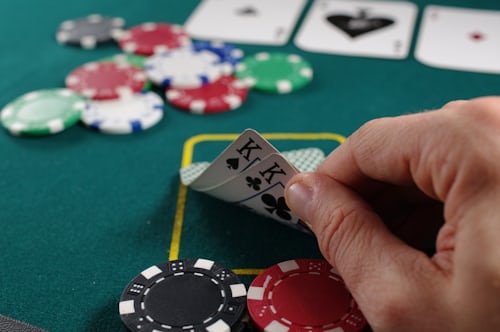
Moreover, understanding the rules and strategies specific to each game can bolster a player’s approach. For example, knowing optimal strategies for blackjack can allow players to make informed decisions that reduce the house edge. Devoting time to learn about different games and their nuances can significantly enhance a player’s experience, making their approach more strategic, even if success is not guaranteed.
In addition to odds and strategy, considering the volatility of games is essential. High volatility games may offer larger payouts but come with higher risks, while low volatility games tend to provide more frequent but smaller wins. By assessing the risk-reward ratio and aligning it with personal preferences and risk tolerance, players can make smarter game selections that contribute to a more enjoyable gambling experience.
Final Thoughts on Gambling Strategies
In conclusion, while strategies in casino gambling can add structure to a player’s approach, they do not guarantee success. The random nature of casino games and the house edge ensure that no method can eliminate risk entirely. However, players can enhance their gambling experience by understanding the principles of chance, employing sound strategies, and making informed game selections.
Ultimately, the goal of gambling should be entertainment and enjoyment rather than a guaranteed path to profit. Players who adopt a balanced mindset, viewing strategies as tools for play rather than certainties, can foster a healthier relationship with gambling. Embracing the thrill of the game while remaining aware of the risks is essential for a positive gambling experience.
For those seeking more information about gambling strategies or resources to enhance their gaming experience, the website offers a wealth of information. From game guides to tips on responsible gambling, it serves as a valuable resource for both novice and seasoned players, helping them navigate the intriguing world of casino gambling with more insight and enjoyment.